
INTERNATIONAL SCHOOL EXCHANGE · FIELD NOTES
China–Thailand School Exchange in Shenzhen: Connecting Through the Arts
A shared stage. A conversation about creativity. A chance to meet beyond borders. This school visit in Shenzhen brought teachers and students from Thailand into an arts-led exchange with their Chinese hosts.
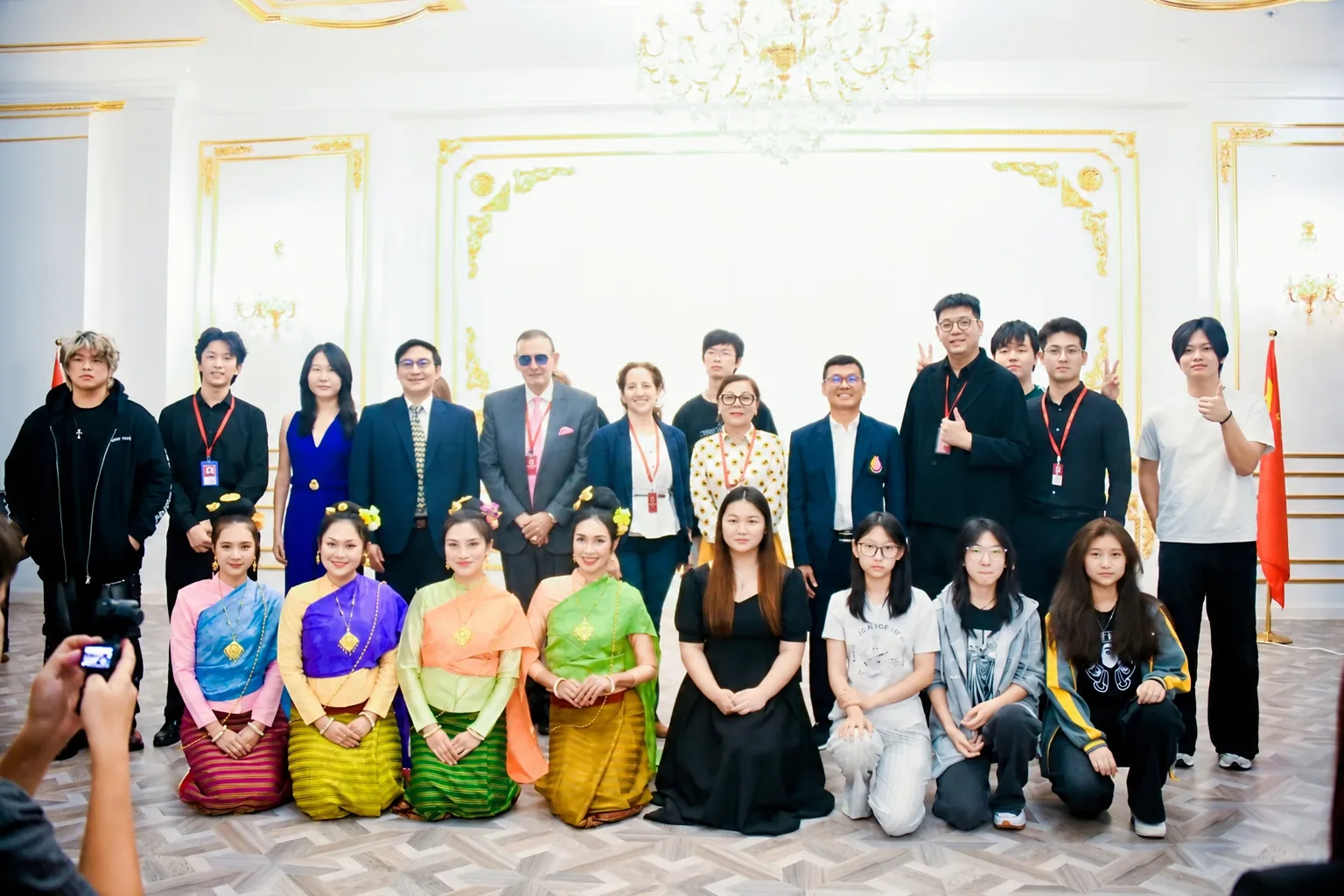
Traditional Thai dance, vocal and violin performances, exhibition spaces and creative studios shaped this China–Thailand school exchange. The visit moved between performing, observing and talking: different ways for young people to share something of their own culture and encounter another perspective.
For schools considering an educational visit to China, the experience offers a useful starting point. A campus visit can be more than a tour of buildings. With a shared theme and time for interaction, it can create opportunities to practise listening, introduce creative work and ask questions that continue back in the classroom.
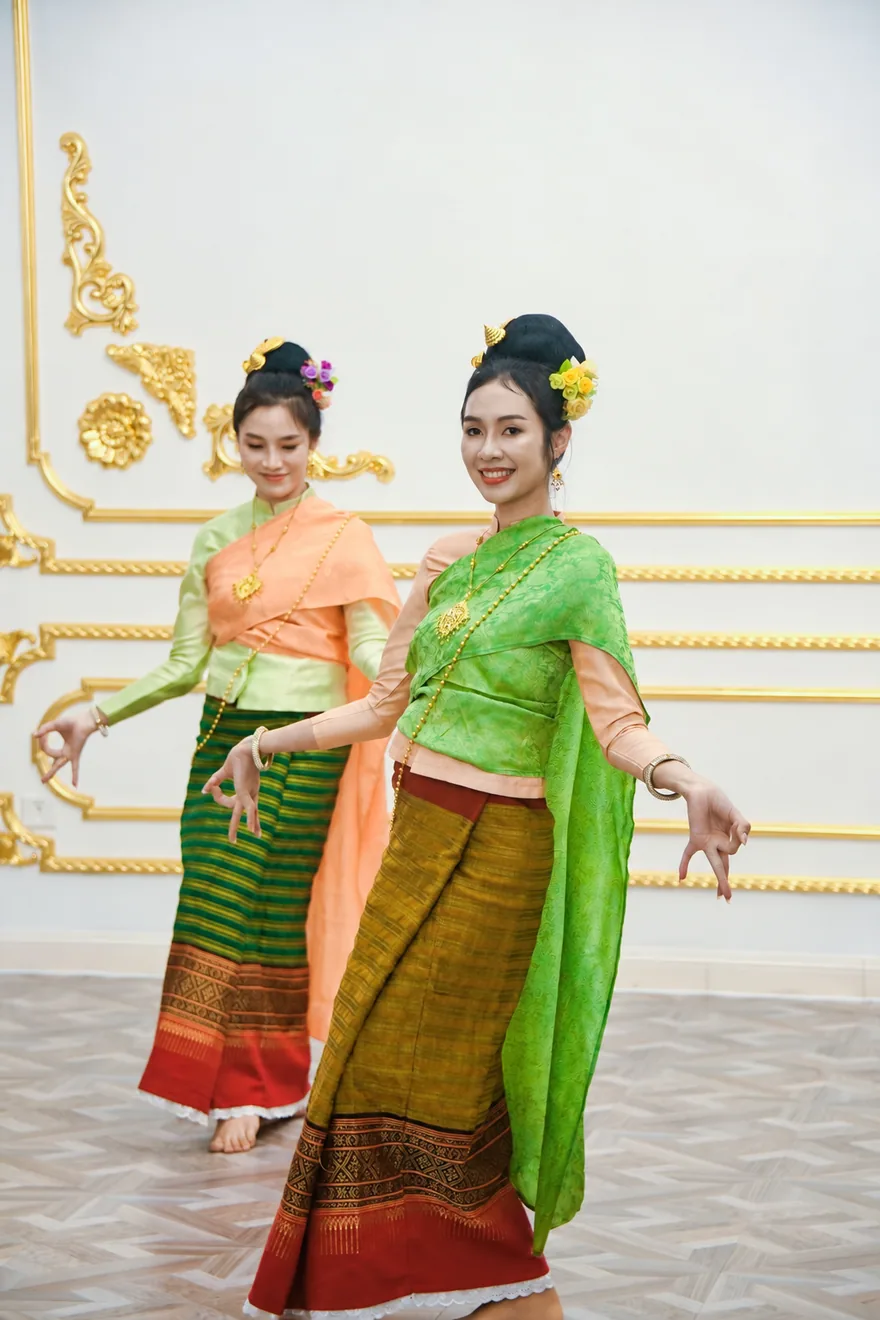
Thai dance and live music: a shared starting point
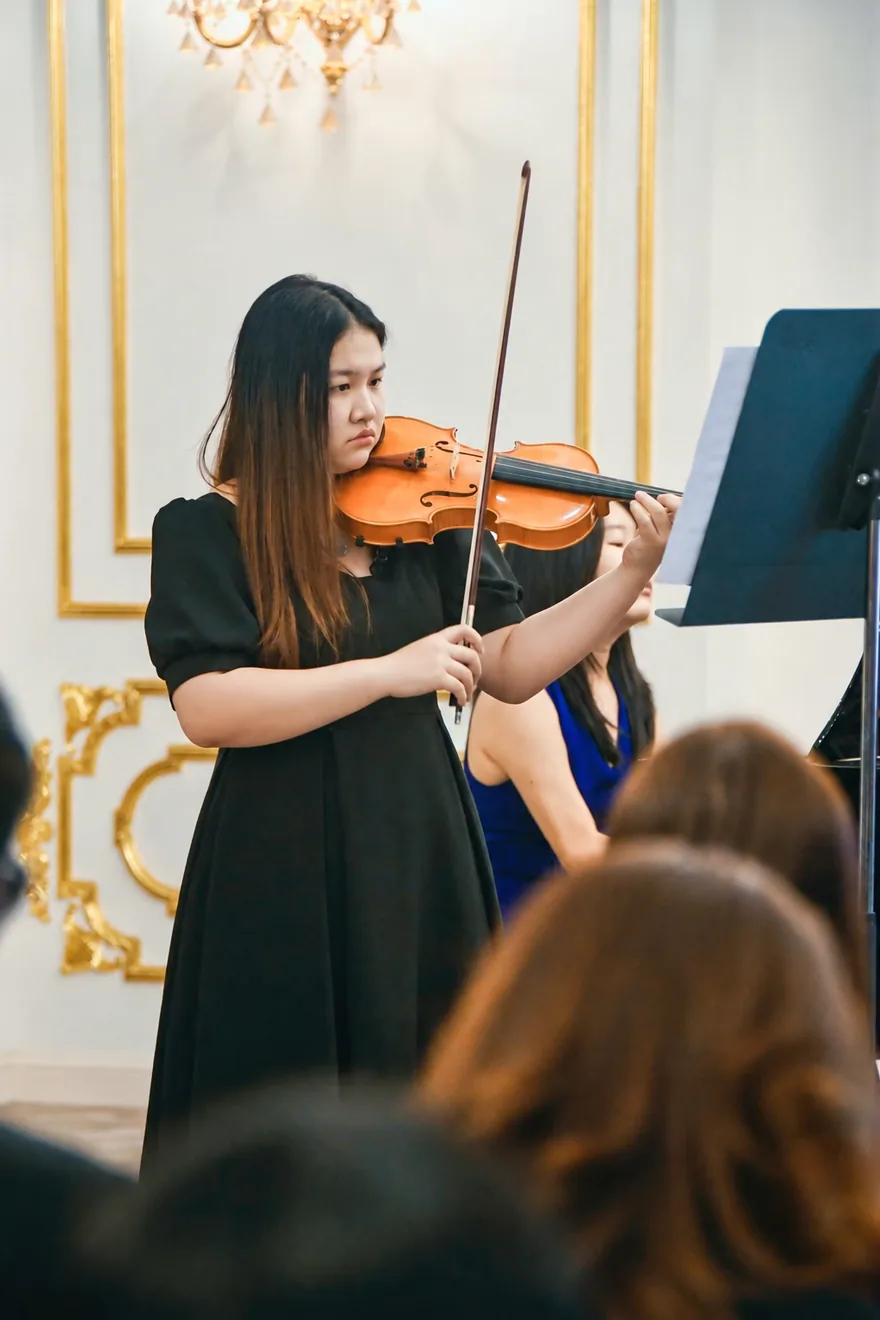
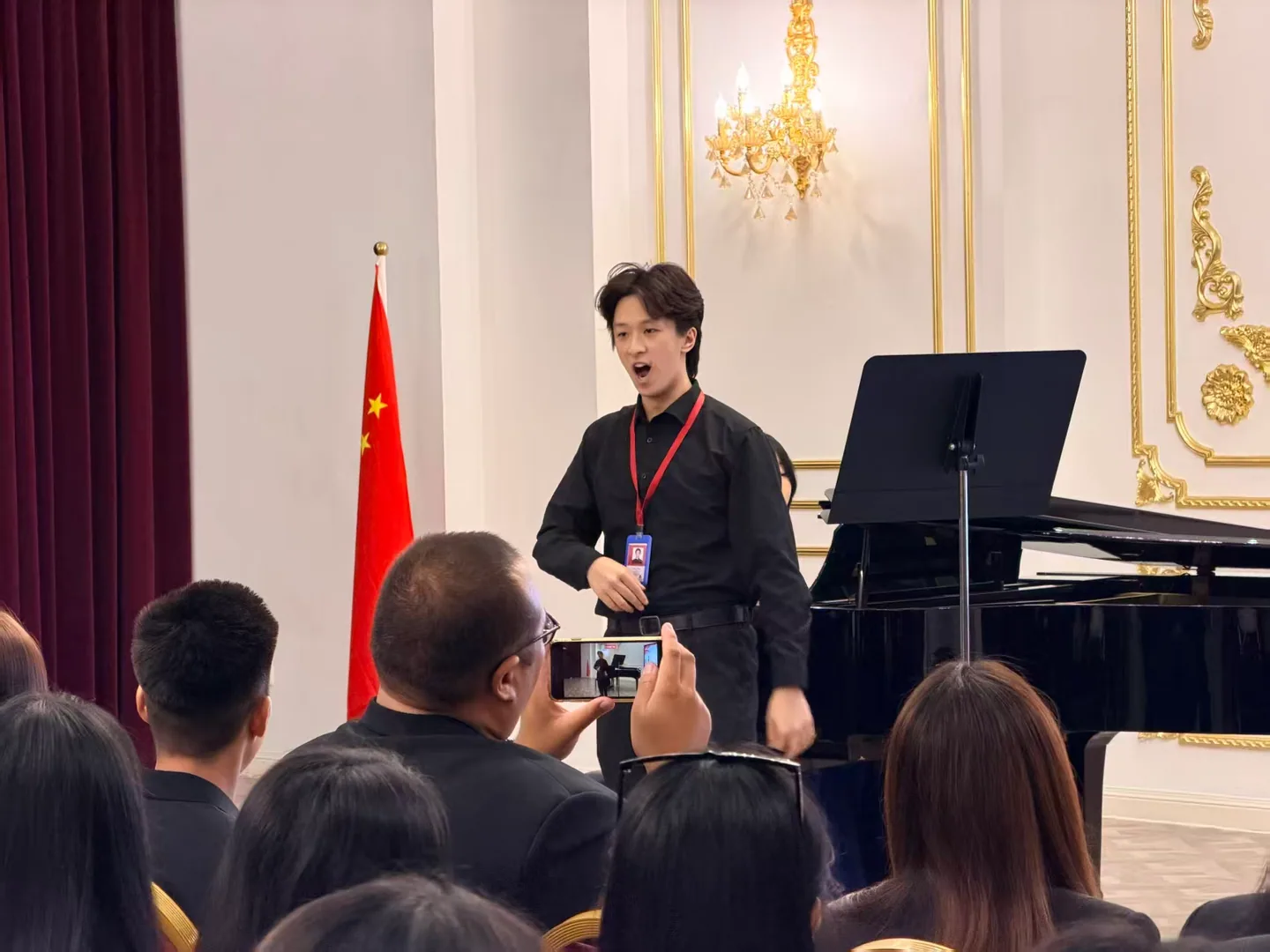
The traditional Thai dance performance brought expressive gestures, graceful movement and colourful dress into the room. Rather than meeting a culture only through a written introduction, participants could encounter it through performance. Vocal and violin presentations continued the exchange through different musical forms.
The arts do not remove every language barrier, but they offer something concrete to respond to. Watching closely can encourage respect for unfamiliar styles; performing for a new audience provides a reason to think about how to communicate an idea or feeling. Both are valuable starting points for a cultural exchange.
Inside exhibition spaces and creative studios
Beyond the performances, visiting teachers and students explored exhibition areas, arts teaching spaces and a creative studio. They viewed work and discussed artistic inspiration. Seeing the spaces where ideas develop adds another dimension to appreciating a finished piece: materials, tools and working methods become part of the conversation.
For a school planning a similar visit, this suggests useful questions to prepare: Where does an idea begin? How does a material change the way it can be expressed? What can students take from observing another learning environment? These are possible prompts for reflection, not a claim that a particular workshop or assessed lesson took place on this visit.
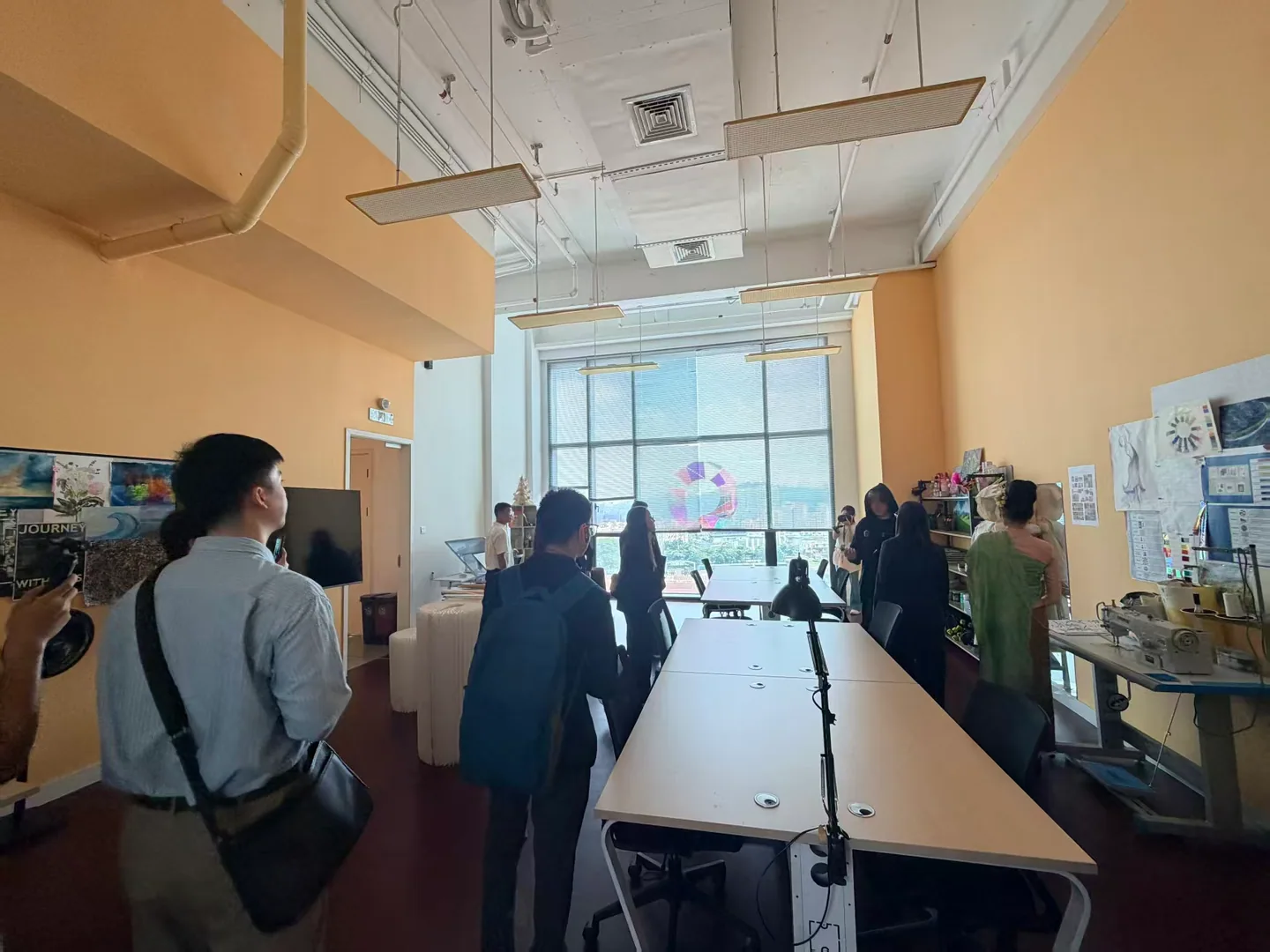
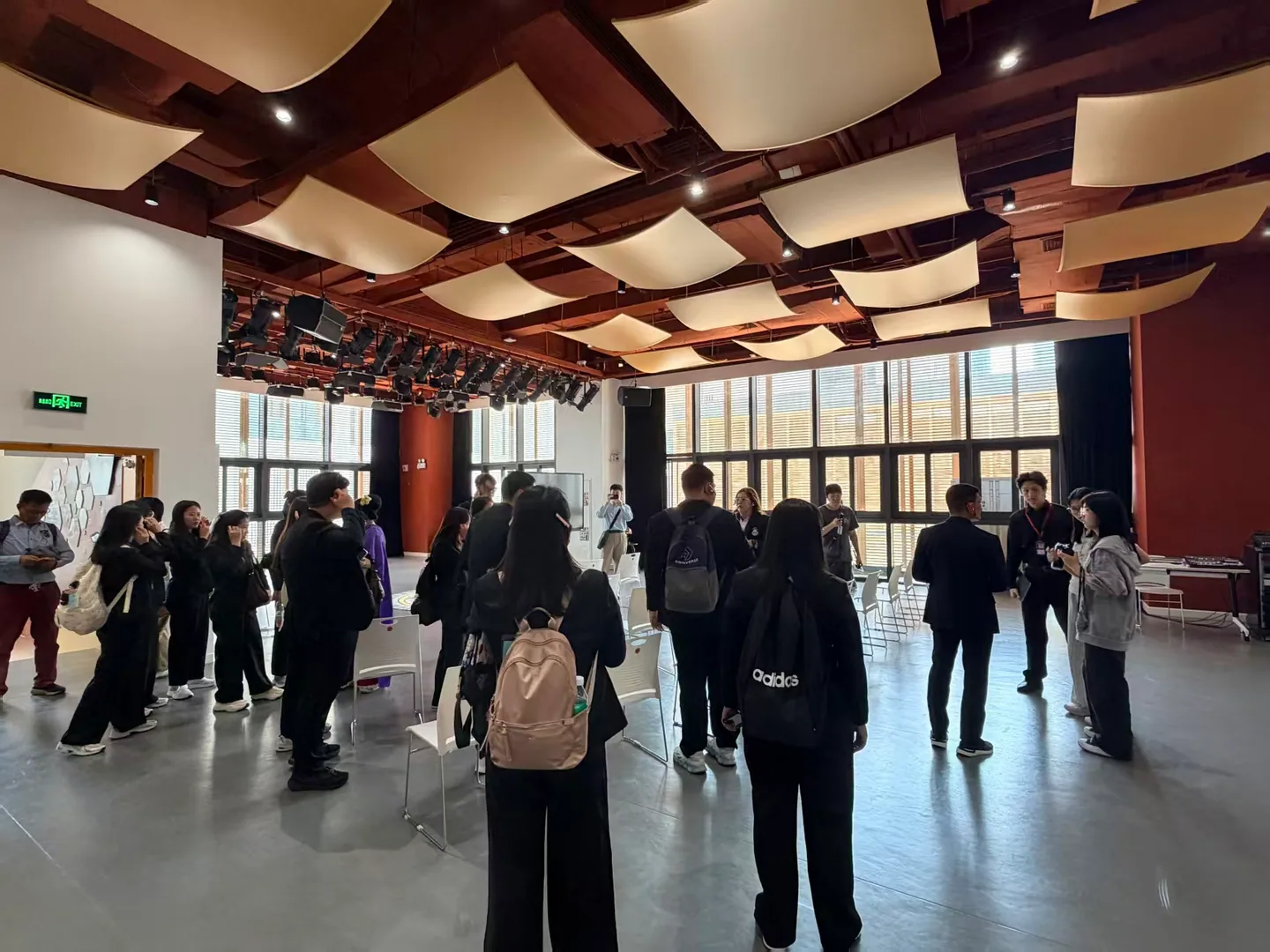
Small exchanges, personal connections
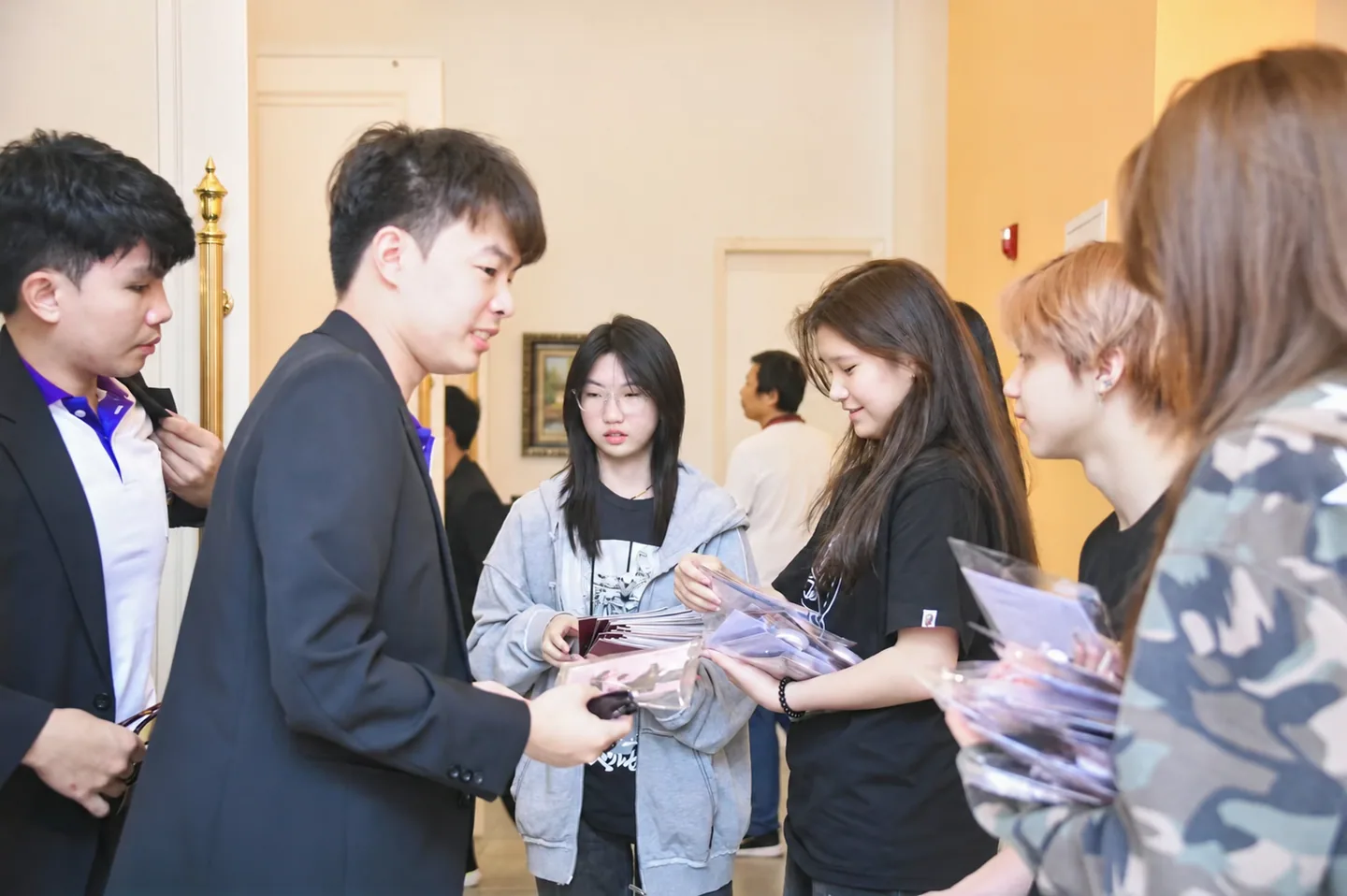
Conversations about art and the exchange of souvenirs brought a personal dimension to the day. Alongside the formal performances, these moments made room for participants to meet as people with interests to share, rather than simply as visitors and hosts.
An international school exchange works best when there is room for both sides to contribute. This arts-led visit illustrates how performing, looking and talking can sit within the same experience. Its value lies in opening a conversation, without assuming that one visit alone produces a lasting partnership or a measurable learning outcome.
Learning goals for an arts-led school exchange
Schools can build on a visit by deciding what students should observe, contribute and reflect on. The following are possible learning directions for a future programme, rather than reported results from these participants.
- Cultural awareness
- Notice differences in movement, dress, music and creative work, and practise describing them with curiosity and respect.
- Communication
- Prepare introductions, explain a piece of work and ask questions. Make space to listen as well as present.
- Creative thinking
- Record an unfamiliar technique or expressive approach and consider how it connects with existing interests.
- Reflection
- Use a journal, a presentation or a group discussion after returning home to explore new ideas and unanswered questions.
How to plan a school visit or cultural exchange in Shenzhen
Start with the purpose of the visit before choosing activities. Schools, education providers and travel partners planning an inbound study tour to China can prepare a short brief around the following points.
- Your group and objectives
- Share the students’ age range, expected numbers of students and teachers, country or region of origin, and learning interests.
- Dates and language
- Identify preferred dates, time available and communication needs, including any interpreting or bilingual coordination requested.
- Participation and practical requirements
- Explain whether the focus is performance, discussing creative work, visiting a campus or a workshop. Agree equipment, space and performance length in advance.
- Travel and student care
- Discuss transport, meals, accommodation and staff responsibilities. For minors, agree supervision, emergency contacts and permission for photography before the visit.
Tongzi Education has organised youth study-tour activities since 2017. Schools and travel partners can discuss exchange programmes in Shenzhen, Hong Kong and other destinations with our team. The options above are planning ideas: host institutions, teaching, interpreting, venues and fees require individual confirmation. This case study is not a fixed itinerary or a guarantee of access to a particular school.
Questions from schools and partners
Who is this school exchange case study for?
It is a reference for overseas schools, education providers and study-tour partners interested in arts education, Chinese campus life and youth cultural exchange. Activities and age suitability should be designed for each group.
Can a group include performances or a creative workshop?
You can request them. Performances require advance discussion of format, duration and equipment. A workshop depends on the host’s resources, dates and the confirmed programme.
Can you arrange English or Thai language support?
Tell us which languages are needed and in which settings. Availability, scope and fees for bilingual coordination or interpreting must be confirmed; the case study does not promise a particular language service.
What should we send with an initial enquiry?
A contact name, email, optional institution name, estimated group size, age range, preferred dates and learning goals are enough to start. Please do not send passports, payment details or students’ personal records through the enquiry form.